Jun 26, 2026News & Insights
Why South American Catering Chooses Bamboo Fiber in 2026? 5 Key Advantages Over Plastic, Pulp, and Starch
Why Bamboo Fiber Is the Future of South American Catering in 2026
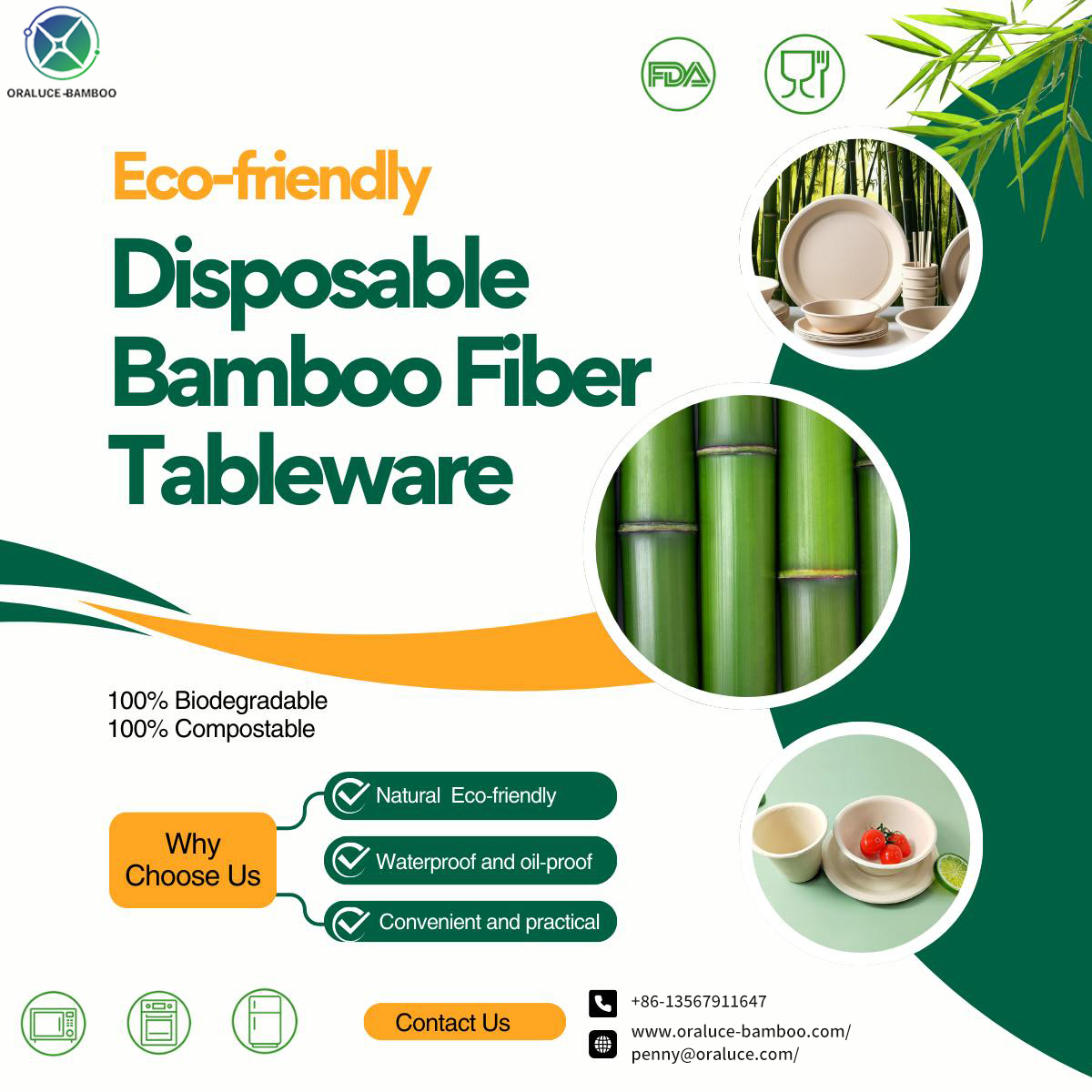
In 2026, South America’s catering industry is undergoing a historic shift—single-use plastic tableware is being phased out at an unprecedented speed, driven by strict plastic ban policies across the continent.
From Chile’s full ban on single-use plastic utensils in food service to Colombia’s 80% market gap for eco-friendly alternatives, restaurants, cafes, and food distributors are scrambling to find reliable, compliant, and cost-effective substitutes. Among all options, bamboo fiber tableware has emerged as the top choice for South American catering businesses.
Why? Let’s break down its 5 core advantages over plastic, pulp, and starch tableware—advantages that perfectly align with South America’s regulatory requirements, consumer preferences, and operational needs.
1. Full Compliance with South America’s 2026 Plastic Bans (No Legal Risks)
The biggest driver of bamboo fiber’s popularity in South America is its perfect compliance with the continent’s strict 2026 plastic ban policies.
Chile’s Law No. 21.368, which took full effect on February 13, 2026, prohibits single-use plastic cutlery, plates, cups, and straws in restaurants, cafes, and food courts, allowing only compostable or non-plastic alternatives.
Colombia, which has already banned single-use plastic tableware nationwide, faces an 80% market gap that relies heavily on imports, while Brazil’s federal and state-level plastic restrictions are pushing catering businesses to adopt sustainable alternatives rapidly.
Here’s how bamboo fiber stacks up against other materials in terms of compliance:
- Plastic: Fully banned in most South American countries in 2026. Businesses using plastic tableware face heavy fines and reputational damage—no longer a viable option.
- Pulp/ Paper: While technically allowed, many pulp tableware products are coated with plastic or wax to prevent leakage, making them non-compostable and non-compliant with Chile’s and Colombia’s strict compostability requirements.
- Starch: Some starch-based tableware fails to meet compostability standards in high-humidity South American climates, and many are not heat-resistant enough for hot food—risking non-compliance with local regulations.
- Bamboo Fiber: 100% natural, fully compostable (breaking down in 60 days under natural conditions), and free of plastic coatings. It meets the strictest requirements of Chile’s INEN, Brazil’s ANVISA, and Colombia’s environmental regulations, ensuring businesses avoid legal penalties and stay ahead of policy updates.
2. Superior Durability & Functionality (Perfect for South American Catering Scenarios)
South American catering is known for its diverse cuisine—from hot soups and greasy empanadas to cold beverages and street food. This means tableware must be sturdy, leak-proof, and heat-resistant to handle daily use.
Bamboo fiber outperforms plastic, pulp, and starch in every key functional area:
Unlike flimsy pulp plates that soak through and fall apart when holding greasy or hot food, bamboo fiber tableware has excellent hydrophobicity and oil resistance, thanks to its natural fiber structure and eco-friendly processing techniques.
It can withstand temperatures from -20°C to 130°C, making it suitable for hot soups, microwaved meals, and cold drinks—something starch-based tableware often fails at (starch products soften and deform in heat).
Compared to plastic, bamboo fiber is lightweight but equally durable—no more bent forks, cracked bowls, or leaking containers. It also has a natural, rustic appearance that enhances the dining experience, aligning with South America’s growing preference for authentic, natural products.
For catering businesses, this means fewer product failures, less waste, and happier customers.
3. Food Safety & Health (No Harmful Chemicals—Critical for South American Consumers)
Food safety is a top priority for South American consumers, and 2026 has seen a surge in demand for tableware free of harmful chemicals. Many low-quality alternatives on the market—including some melamine-blended bamboo products—pose health risks, but high-quality pure bamboo fiber tableware solves this problem completely:
- Plastic: Leaches microplastics and harmful chemicals (like BPA) into food, especially when in contact with hot or acidic dishes— a major concern for health-conscious South American consumers.
- Starch: Often contains additives and preservatives to extend shelf life, which can affect taste and pose potential health risks. Some starch products also attract mold in South America’s humid climate.
- Pulp: Coated pulp products may contain wax or plastic liners that can leach into food, while uncoated pulp is prone to bacterial growth when wet.
- Bamboo Fiber: Made from 100% natural bamboo—no plastic, no additives, no harmful chemicals. High-quality bamboo fiber tableware undergoes strict food contact testing, meeting FDA, EU 1935/2004, and Brazil’s ANVISA standards for heavy metal and migration limits. Its natural antibacterial properties also reduce bacterial growth, making it safer for food service—especially important in warm, humid South American environments.
4. Cost-Effective & Sustainable Supply Chain (Ideal for South American Importers)
For South American catering businesses and importers, cost and supply chain stability are make-or-break factors.
Bamboo fiber tableware offers a competitive edge over plastic, pulp, and starch in both areas:
Plastic prices have risen due to import restrictions and environmental taxes, while pulp and starch tableware often require expensive processing to meet durability and compliance standards.
Bamboo, however, is one of the fastest-growing plants on Earth—renewable, abundant, and low-cost to harvest. For importers sourcing from reliable factories with their own bamboo bases (like our factory in Chongqing, China), this means stable supply, lower production costs, and competitive pricing.
Compared to pulp (which relies on wood harvesting and deforestation) and starch (which competes with food crops), bamboo is a sustainable crop that requires no pesticides, little water, and helps reduce carbon emissions.
This not only lowers long-term supply costs but also aligns with South America’s growing focus on sustainability—appealing to eco-conscious consumers and businesses alike.
5. Versatility & Brand Enhancement (Fit for All South American Catering Scenarios)
South American catering is diverse—from small street food stalls and local cafes to large chain restaurants, hotels, and event catering.
Bamboo fiber tableware’s versatility makes it suitable for every scenario, while also helping businesses enhance their brand image:Unlike plastic (which has a cheap, disposable reputation) and starch (which is often limited in design), bamboo fiber tableware comes in a wide range of products—plates, bowls, cups, lunch boxes, straws, forks, and spoons—all customizable with logos and designs.
This versatility makes it perfect for everything from street food takeout to high-end hotel catering.Moreover, using bamboo fiber tableware sends a clear message to consumers: your business cares about the environment and their health.
In 2026, South American consumers are increasingly choosing brands that prioritize sustainability—bamboo fiber helps catering businesses stand out from competitors, build customer loyalty, and tap into the growing eco-friendly market.
Why Bamboo Fiber Is the Future of South American Catering in 2026
2026 is a turning point for South America’s disposable tableware market. Plastic is out, and businesses need alternatives that are compliant, durable, safe, cost-effective, and versatile. Bamboo fiber tableware checks all these boxes—and more.
It meets South America’s strict plastic ban policies, outperforms pulp and starch in functionality, ensures food safety, offers a sustainable supply chain, and helps businesses build stronger brands.
For South American catering businesses, cafes, hotels, and importers, choosing bamboo fiber isn’t just a trend—it’s a smart, long-term investment.
It’s the only alternative that balances compliance, performance, and cost, making it the clear choice for 2026 and beyond.
Ready to switch to bamboo fiber tableware and stay ahead in South America’s eco-friendly catering revolution?
Contact us today
Mobile: +86 13567911647(WhatsApp/Wechat)/
to learn about our full range of bamboo fiber tableware, our reliable supply chain (with our own bamboo base and patents), and how we can help you meet South America’s regulatory and market needs.